


Research
Theoretical Condensed-Matter Physics (LASSP)
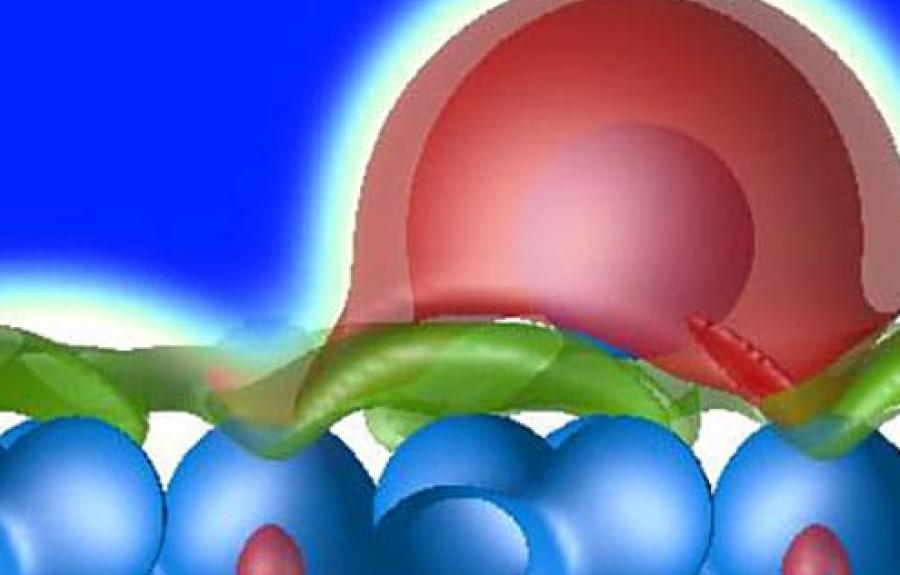
Cornell helped develop the foundations of condensed matter physics such as the renormalization-group approach to critical phenomena and the theoretical description of exotic ordered phases. Current research includes topics such as Bose condensed systems, nanotubes, structures of biological matter, random matrix theory, many-body perturbation theory, and computational physics. read more
Theoretical Elementary Particle Physics (LEPP)
This is an exciting time for particle physics, and Cornell is at the forefront. Active research includes physics beyond the Standard Model (mechanisms of electroweak symmetry breaking, supersymmetry, extra dimensions); string theory (with the emphasis on string cosmology and brane inflation); collider phenomenology; heavy-flavor physics; effective field theories and renormalization group techniques; integrable systems and mathematical physics; lattice gauge theory. read more
Astrophysics and General Relativity (LEPP)
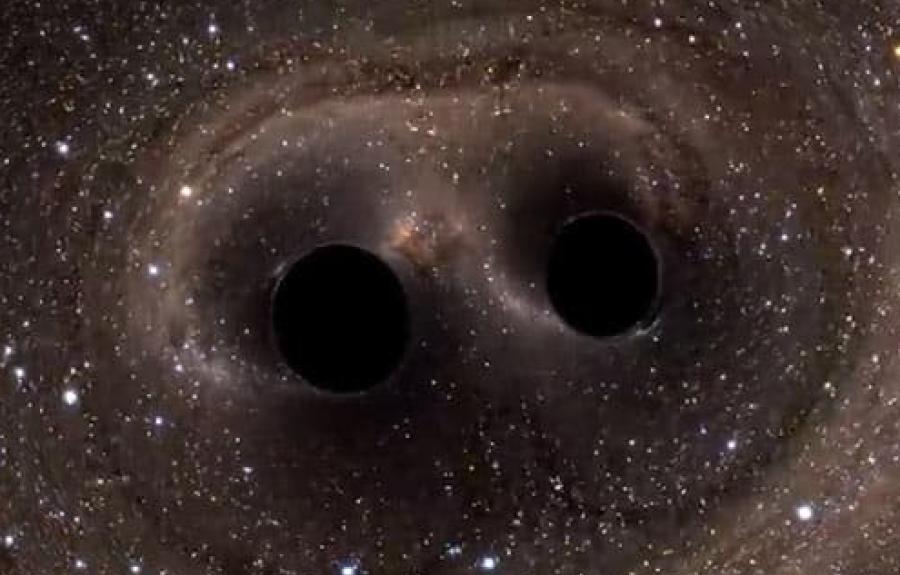
Following in Hans Bethe’s legacy, Cornell astrophysicists explore a wide variety of phenomena, including neutron stars, black holes, globular clusters, the galactic halo, supernovae, gravitational waves, cosmological strings, and dark energy. read more
Experimental Elementary Particle Physics (LEPP)
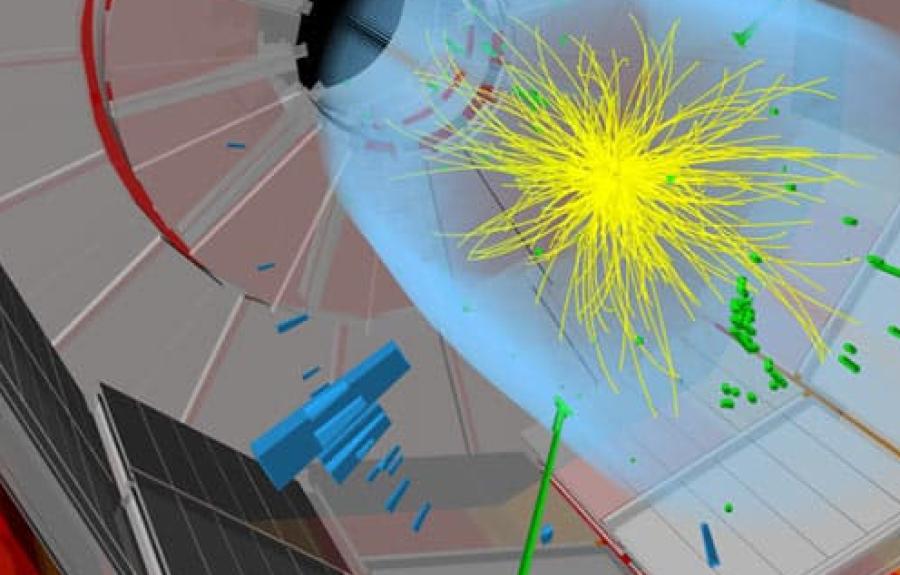
Starting in 2008, the Large Hadron Collider (LHC) will provide the first glimpse of the physics that lies at the TeV energy scale, and Cornell particle physicists will be there. Using the LHC’s CMS detector, they will seek the mechanism for electroweak symmetry breaking, perhaps the Higgs, search for supersymmetry and extra dimensions, and perhaps begin to identify the dark matter of the universe. They will also take advantage of the superb facilities here on campus, the Cornell Electron Storage Ring and CLEO detector, to make the world’s most precise studies of the charm quark, establishing its weak interactions and providing precision tests of lattice QCD. read more
Accelerator Physics (LEPP)
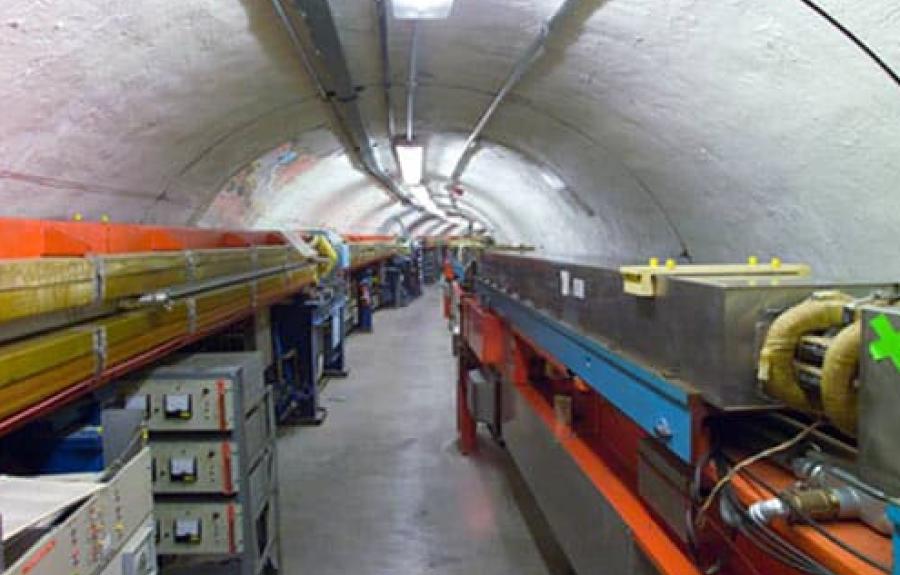
The presence of an accelerator on the Cornell campus provides a unique opportunity for students interested in accelerator physics and technology. Active research in this area includes accelerator beam dynamics, storage rings, linear collider, superconducting accelerator cavities, energy recovery linac, synchrotron light sources, silicon vertex detectors, and linear collider tracking detectors. read more
Experimental Condensed-Matter Physics (LASSP)
Condensed-matter physics covers a wide range of research topics. Active research includes nanoscience, molecular electronics, quantum effects in mechanical systems, superconductors and other correlated-electron materials, supersolids, superfluidity, magnetic materials and devices, x-ray physics, complex systems and fluids, and nonlinear systems. read more
Biological Physics (LASSP)
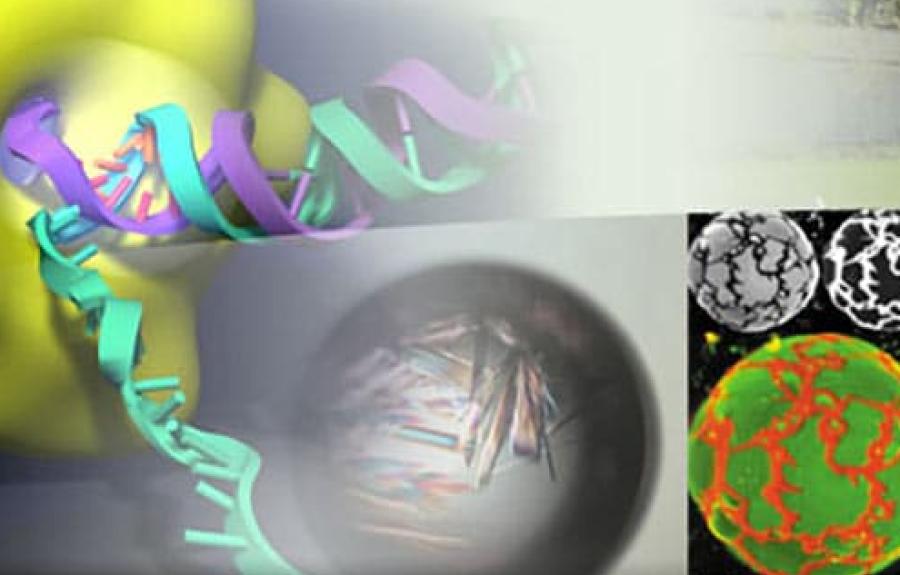
Cornell supports a growing range of activities in biological physics, including single-molecule manipulation, biomedical physics, molecular motors, and cellular social behavior. read more

